

Introduction
Looking to study in Australia? If so, do you know about the intakes in Australia?
This is an important question!
Did you know that choosing the wrong intake can limit your course offerings? It can also delay your graduation process.
Australia has been a top destination for many Nepalese students. It offers the best place to study, travel, and work.
But the question still arises: What is the right intake for you?
Well, MOTIF is here to help you. In this blog, you will understand the types of intakes, some misconceptions about how to choose the right intake to study in Australia from Nepal.
Types of intakes in Australia
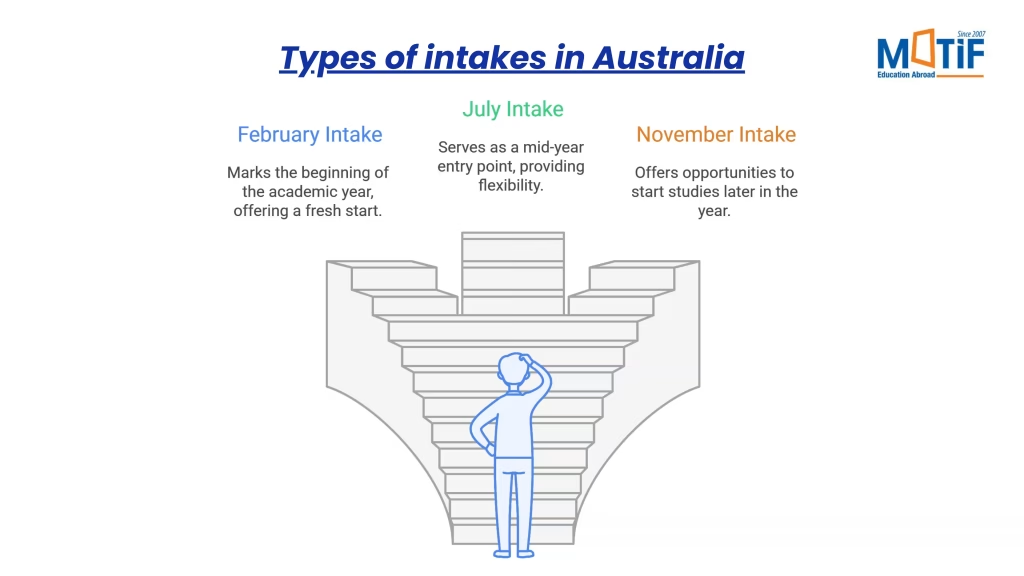
In Australia, universities have three main intakes (admission periods) in a year. This is different from Nepal, where most colleges only have one intake per year.
1) February Intake
This is the main intake in Australia. Studies start in February/March and run till June/July. Here is the benefit of choosing this intake for Australia:
- Maximum Course Selection
- Best Scholarship Opportunities
- Optimal Weather for Arrival
- Strong Peer Network
2) July Intake
The second intake starts in July and runs till February of the next year. Here is the benefit of choosing this intake for Australia:
- Strategic Gap Year Utilization
- Less Competition
- Winter Break Timing
- Faster Processing
Note: Always check with your university to see if your course is offered during this time.
3) November Intake
Some universities offer a third intake starting in November. Here are the benefits of choosing the November intake:
- Quick Entry Option
- Specialized Program Focus
- Immediate Post-Graduation Start
- Summer Arrival Experience
Note: Knowing the right intake helps you plan. Contact or visit us at MOTIF Education Consultant for a more detailed guide.
Some misconceptions related to Intakes in Australia
Sometimes people believe things that aren’t true about studying in Australia. Here are some common myths and the truth behind them.
Myth 1: Australia has only one intake a year
Truth: Most Australian universities have three intakes: February, July, and November. This is different from Nepal, where schools usually have just one start time.
Myth 2: July intake has easier entry rules
Truth: Entry standards are the same for all intakes. Your chance of getting into a course depends on how strong your application is. It isn’t based on the intake you choose.
Myth 3: You can join any course during any intake
Truth: Not all courses are available in every intake. The February intake offers the most choices. Some courses may only be open in certain months. Always check with your university before applying.
Myth 4: July intake gives lower-quality education
Truth: The quality of education is the same in all intakes. Australian universities are known for high standards, no matter when your course starts.
Myth 5: Students who start in February miss job chances
Truth: Starting in February can help you find work faster. Many companies hire new graduates during these times. So instead of missing, you can give yourself an advantage.
Admission Process
Now that you understand which intake is best for you. Here is the step-by-step process to begin your admission journey to study in Australia from Nepal.
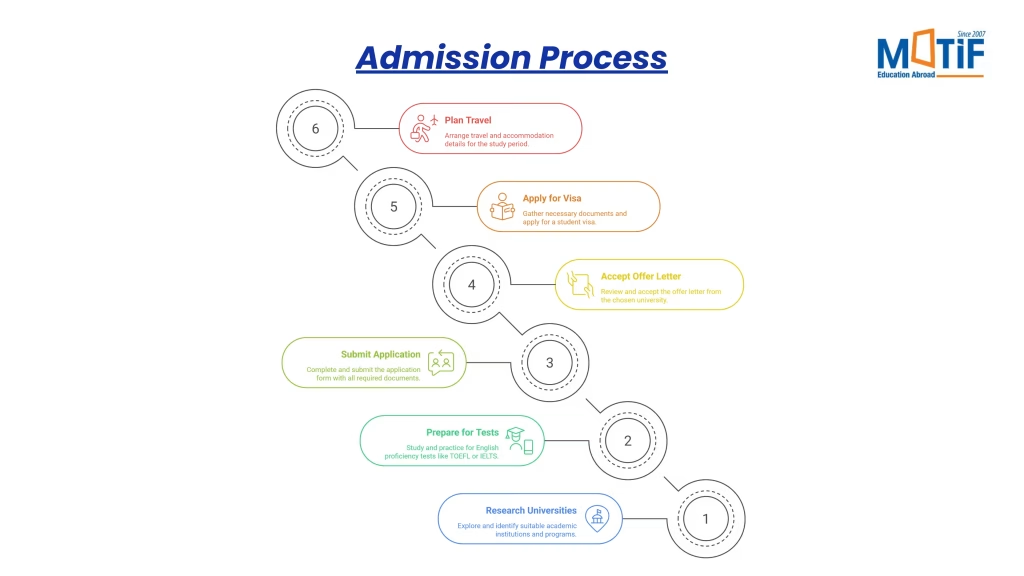
1. Research Universities and Programs
Begin by identifying your desired field of study. Research universities that offer your preferred program. Compare their curriculum, rankings, and facilities.
2. Prepare for English Proficiency Tests
Choose an appropriate English proficiency test. It can be IELTS, PTE, TOEFL, etc., based on your university’s requirements. Dedicate time to preparation, take the test, and obtain your official results.
Contact Motif to choose the best proficiency test for you.
3. Submit Your Application
Complete and submit your application to your chosen university. Also, send all the required documents and application fees.
4. Receive and Accept the Offer Letter
Once you receive the offer letter from the university, carefully review the terms and conditions. Confirm your admission by accepting the offer and paying the required deposit.
5. Apply for a Student Visa
Gather all necessary documentation and submit your student visa application. We recommend seeking assistance from a qualified education consultancy for proper documentation guidance.
6. Plan Travel and Accommodation
Once your student visa is approved, begin planning your journey. Book your flights and arrange accommodation in Australia. It’s advisable to arrive 2-4 weeks before your classes commence to allow time for settling in.
Pro Tip: Start this process 6-8 months before your intended intake. It ensures adequate time for each step, especially visa processing and accommodation arrangements.
How to Choose the Best Intake for Your Study in Australia
Choosing the right time to start your studies in Australia is very important. It can affect your learning, job chances, and how well you adjust to life abroad.
Here are the main things to think about when picking an intake:
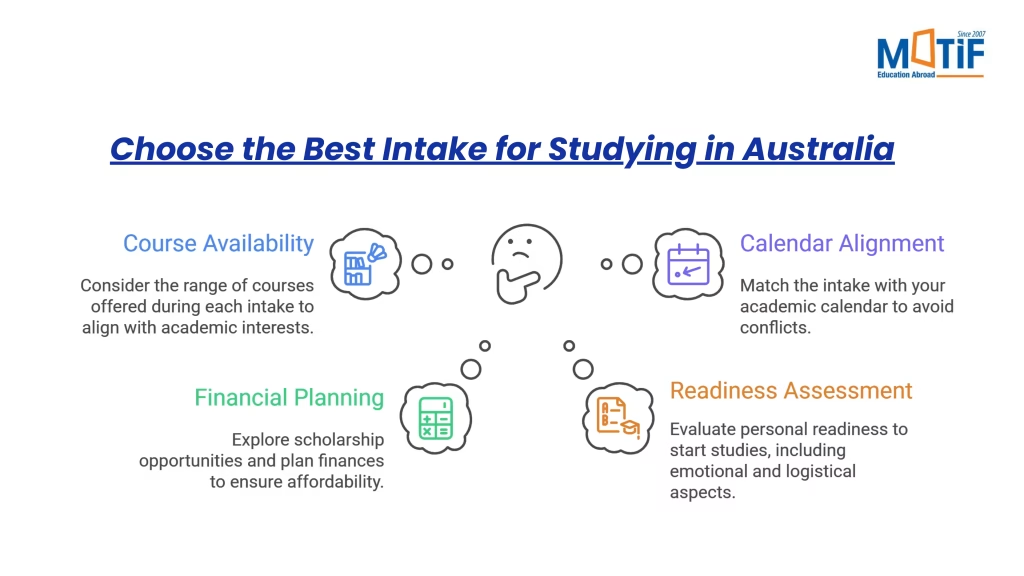
1. What Courses Are Available?
Not all courses are offered in every intake.
- The February intake has the most course options
- July and November intakes may have fewer programs
Always check with your chosen university. Make sure your course is available during the intake you want.
2. Scholarships & Money Planning
Most scholarships are available during the February intake. So it’s a good choice if you need financial help. But some universities also offer scholarships for July and November intakes. Check the deadlines and requirements early to avoid missing out.
3. Are You Ready to Start?
4. Match Your Academic Calendar
Plan your Australian intake around your current study schedule in Nepal:
- If you finish school in December, the July intake gives you 6 months to prepare
- If you finish in October/November, the February intake works best
This helps you move smoothly from your local studies to studying in Australia.
Note: Make a list of these four factors and decide what matters most to you. This will help you choose the intake that fits your goals, budget, and timeline.
Conclusion
Picking the right time to start your studies in Australia can change your life. It opens doors to better education, job chances, and personal growth.
Australia has three main intakes each year:
- February – Offers the most courses and scholarships
- July – Good option if you finish your studies in December/January
- November – Great for students who want to start soon after graduation
The February intake gives you the most choices and support. But the best one for you depends on your goals and how ready you are.
Always check with your university to make sure your course is available during your preferred intake.
Don’t let wrong information or delays stop you from making the best choice.
At MOTIF, we help you every step of the way. Whether it’s to:
- Choose the best intake for your goals
- Apply to universities
- Prepare for the visa process
We’re here to help you get the most out of your study abroad journey.
Stay connected with us for the latest updates that can affect your plans.
For more details, read our full blog: Study in Australia from Nepal.
FAQ
Which intake is best for Australia?
The February intake is generally considered the best as it is the primary admission period with the widest range of courses, more scholarship opportunities, and aligns with the start of the academic year.
Which month is fall intake in Australia?
“Fall intake” in Australia is not a common term. The primary intake, often referred to as the “Fall intake” by international students from other countries, is the February intake, which starts in late February or early March.
Can I study in Australia for 3 months?
To study a full-time course that is longer than three months, you will need a student visa. For courses shorter than three months, a different visa, such as a visitor visa, may be appropriate, but this is for specific short courses and not a standard study visa.
Can I get PR after a 2-year study in Australia?
Completing a two-year study program in Australia can give you an advantage in the points-based system for permanent residency (PR). However, a two-year study alone does not guarantee PR; you need to meet other criteria, such as age, English language ability, skilled work experience, and a suitable occupation.
Is IELTS required for Australia?
IELTS is the most widely accepted English proficiency test, and it is required for most student visas and many university courses. However, some universities may accept alternative tests like TOEFL or PTE, or may waive the requirement if you have completed prior education in an English-speaking country.